
Dr. Mohamed Sami Abdel Sadek: Cairo University’s Historic and Rare Trees Are an Integral Part of Its Memory and Cultural Identity, and Preserving Them Is a Responsibility Toward Future Generations.
Cairo University President: We are committed to preserving the university’s natural and architectural heritage and strengthening cooperation with the National Organization for Urban Harmony to protect heritage assets and safeguard Egypt’s cultural identity.
Dr. Mohamed Refaat: Documenting rare and historic trees is an important step toward protecting biodiversity and promoting environmental awareness and a culture of sustainability within the university community.
Identification plaques displaying the scientific names of trees, their native habitats, and their global rarity status are being installed as part of Egypt’s National Archive of Rare and Historic Trees project.
In a significant step reflecting Cairo University’s commitment to protecting its natural heritage and preserving its environmental and historical assets, the university, in cooperation with the National Organization for Urban Harmony (NOUH), has completed the survey, registration, and documentation of approximately 150 rare and historic trees across its campus. The university has also begun installing identification plaques for these trees as part of the “National Archive of Rare and Historic Trees in the Arab Republic of Egypt” project, which aims to document and preserve this natural wealth for future generations.
The project comes within the framework of Cairo University’s commitment to preserving its distinctive cultural identity, which extends beyond its historic buildings and distinguished architectural style to include its rare and ancient trees. These trees form an integral part of the university’s aesthetic and environmental landscape and serve as living witnesses to its history spanning more than a century.
Dr. Mohamed Sami Abdel Sadek, President of Cairo University, emphasized that the historic and rare trees on campus represent an essential part of the university’s collective memory and its natural and cultural heritage. He noted that these trees reflect an important aspect of the university’s history and architectural identity. Their preservation, he explained, goes beyond care and protection to include scientific and historical documentation and raising awareness of their environmental and aesthetic value, thereby ensuring their sustainability and strengthening the connection between younger generations and their university’s heritage.
The University President added that Cairo University takes pride in its unique cultural and environmental legacy and is committed to protecting all its components. He stressed that caring for historic and rare trees reflects an integrated vision that combines heritage conservation, environmental protection, and the promotion of sustainability across the campus, considering these efforts an institutional and cultural responsibility toward present and future generations.
Dr. Mohamed Sami Abdel Sadek also highlighted the importance of cooperation with the National Organization for Urban Harmony in implementing this project and other initiatives aimed at protecting natural and architectural heritage and preserving Egypt’s cultural identity. He affirmed the university’s commitment to utilizing the project to promote environmental awareness among students, faculty members, and administrative staff, transforming historic trees into educational and knowledge resources that introduce the university community to plant diversity and the importance of its conservation.
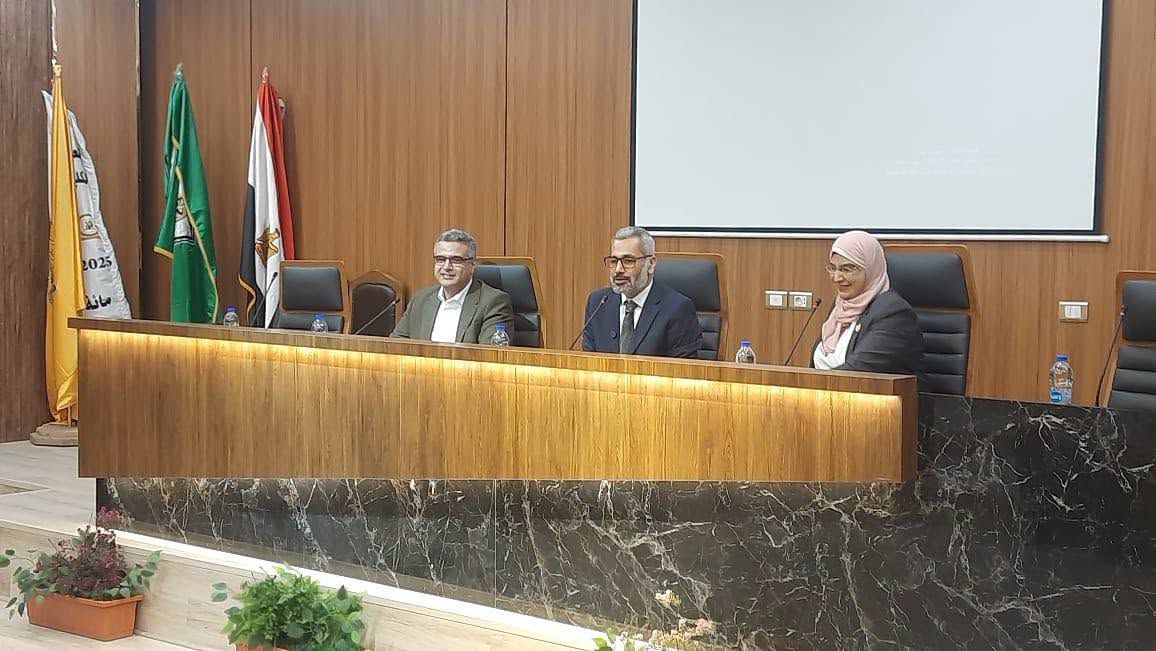
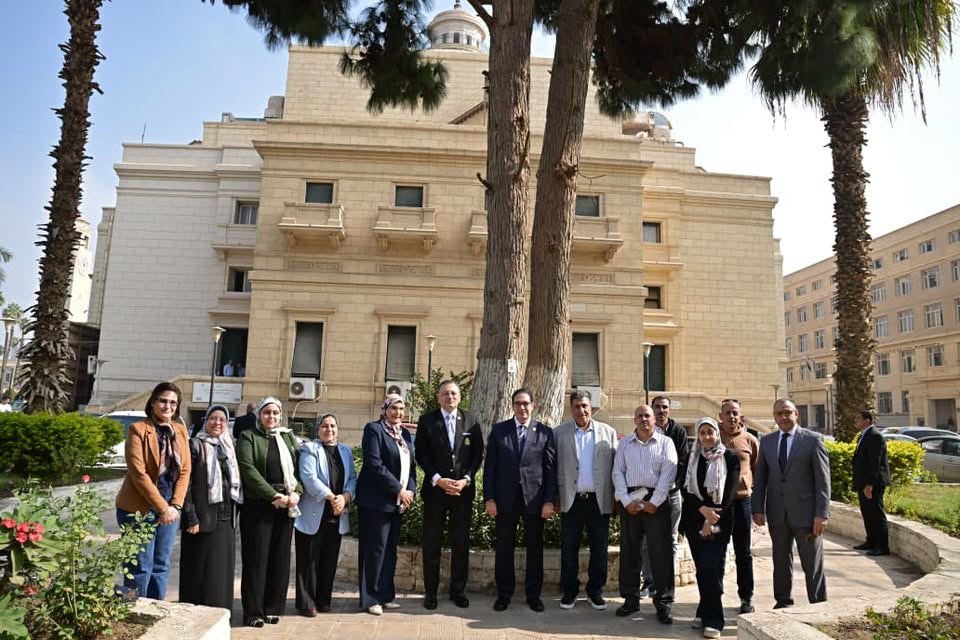
In this context, the University President met with members of the committee responsible for the survey and documentation process. He reviewed the progress achieved in registration, surveying, and documentation and inspected the installation of identification plaques for the trees. These plaques provide scientific and environmental information about the trees’ characteristics and significance, making this knowledge accessible to all members of the university community and its visitors.
For his part, Dr. Mohamed Refaat, Vice President of Cairo University for Community Service and Environmental Development, emphasized that the project to survey and document rare and historic trees represents an important step in the university’s efforts to conserve biodiversity and protect its natural resources. He explained that these trees possess not only historical and aesthetic value but also play a vital environmental role in improving air quality, moderating the local climate, and maintaining ecological balance across the campus.
The Vice President added that the project provides an opportunity to enhance environmental awareness among students and members of the university community by introducing them to various plant species, their characteristics, and their importance. He reaffirmed the commitment of the Community Service and Environmental Development Sector to supporting initiatives that combine the protection of natural heritage with the promotion of a culture of sustainability, contributing to the preservation of the university environment for future generations.
Meanwhile, Dr. Magdy Ismail Bahansi, a member of the National Organization for Urban Harmony Committee, explained that the survey and documentation activities covered approximately 150 trees belonging to various plant species, including conifers, ornamental palms, banyan trees, eucalyptus, royal poinciana, and other species of environmental and aesthetic significance.
He added that the identification plaques prepared for the trees include each tree’s scientific name, native habitat, global rarity status, and conservation status, including whether the species is endangered or threatened. He noted that the project contributes to raising awareness of the importance of trees and their role in maintaining biodiversity and ecological balance, particularly in light of the challenges associated with climate change.
The project embodies Cairo University’s approach to combining the preservation of its historical and cultural legacy with the adoption of environmentally sustainable practices. It further strengthens the campus’s position as a center of science and knowledge and an environment rich in natural heritage assets that deserve protection and documentation