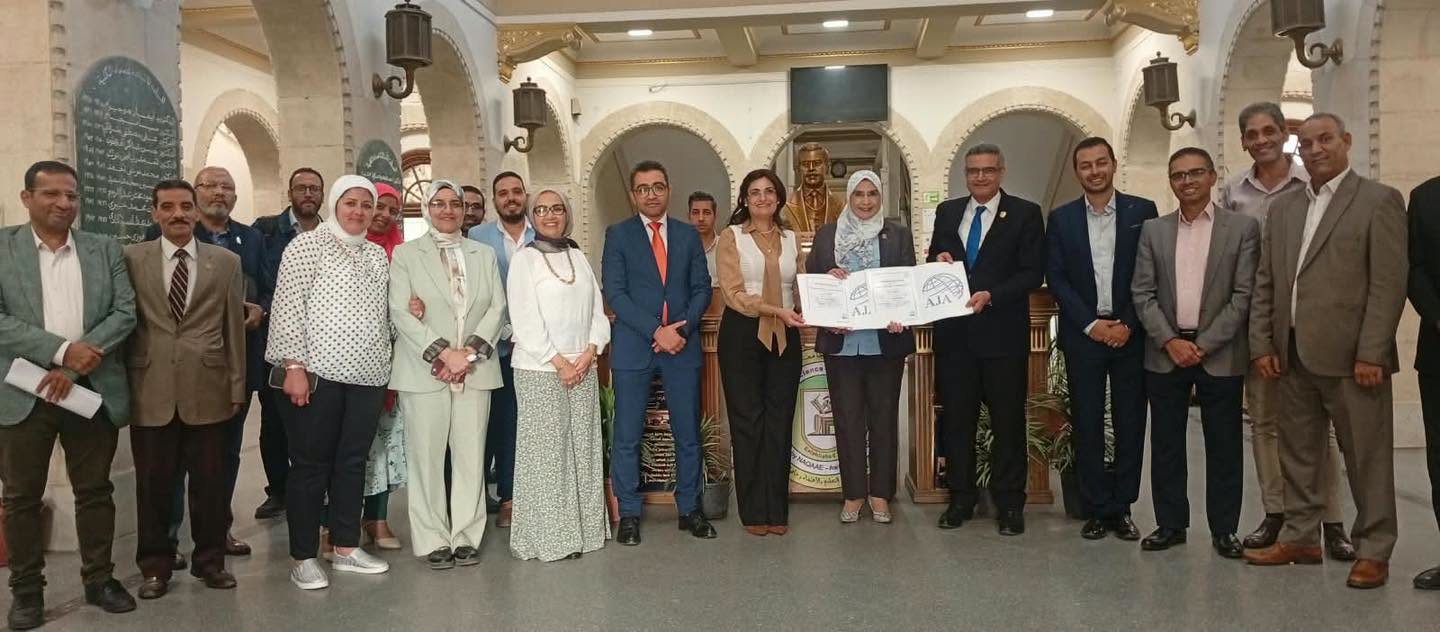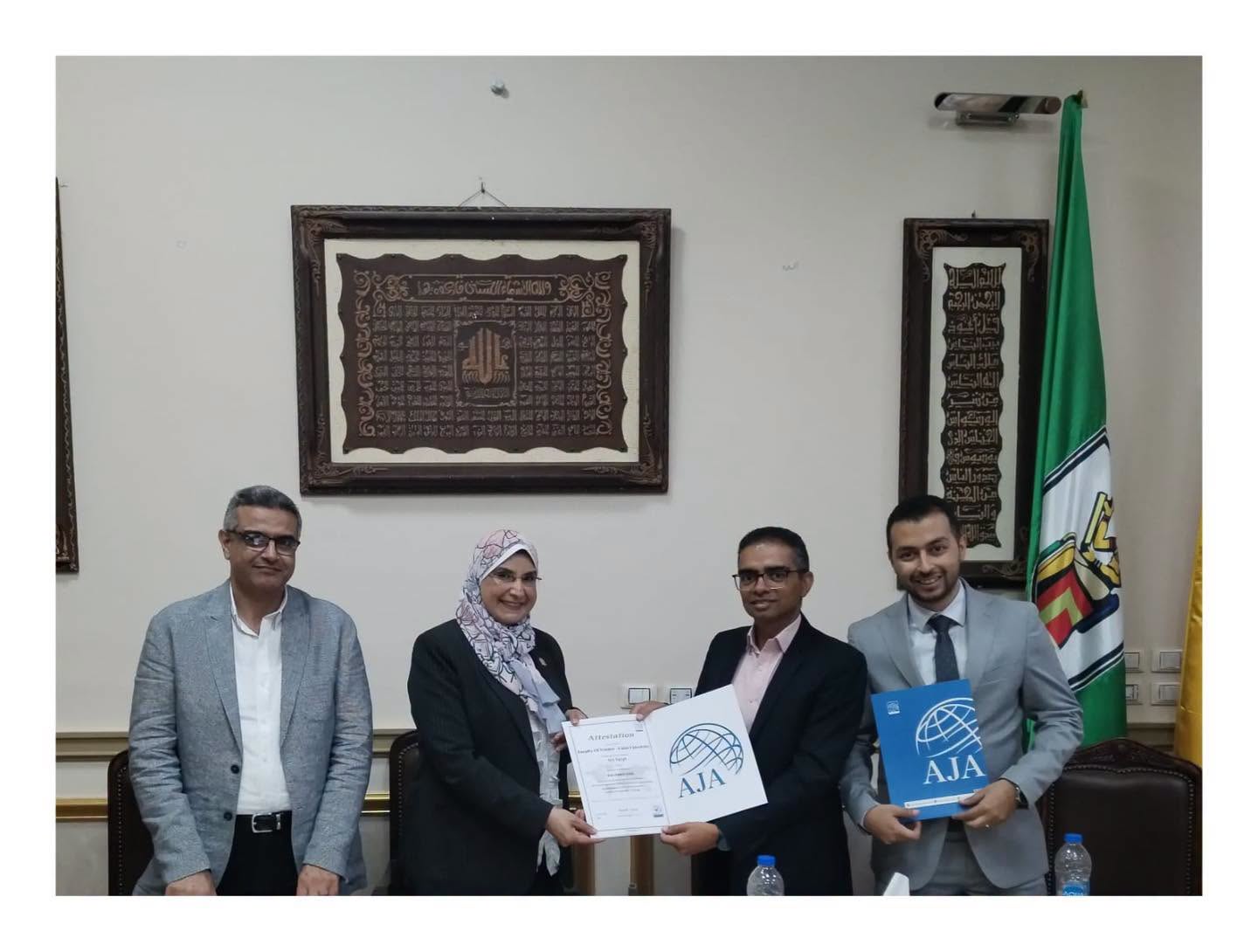

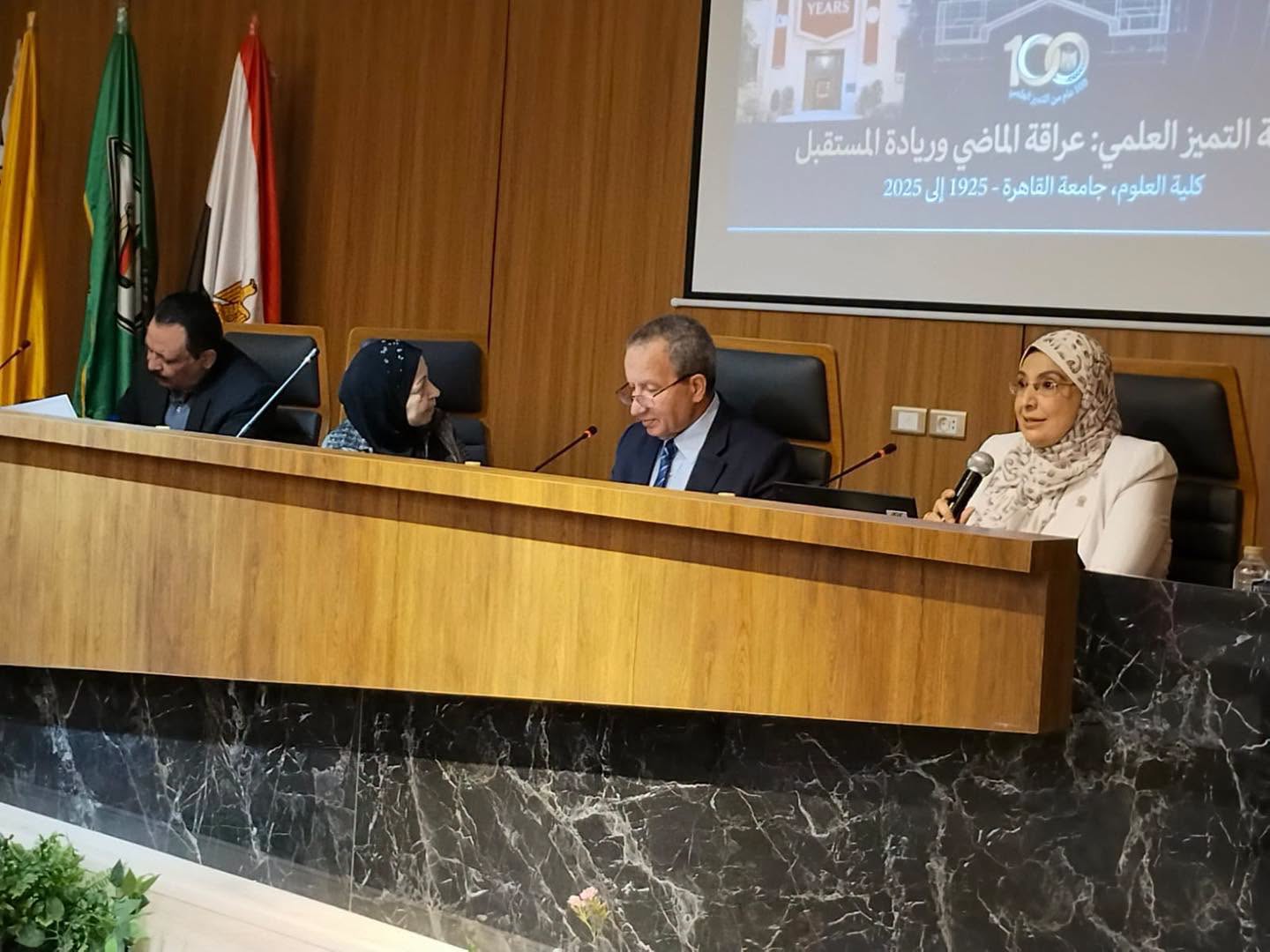
In the context of strengthening academic cooperation and following up on the institutional development process in Egyptian universities, the Faculty of Science at Cairo University received a high-level delegation from the Sector Committee for Basic Sciences.
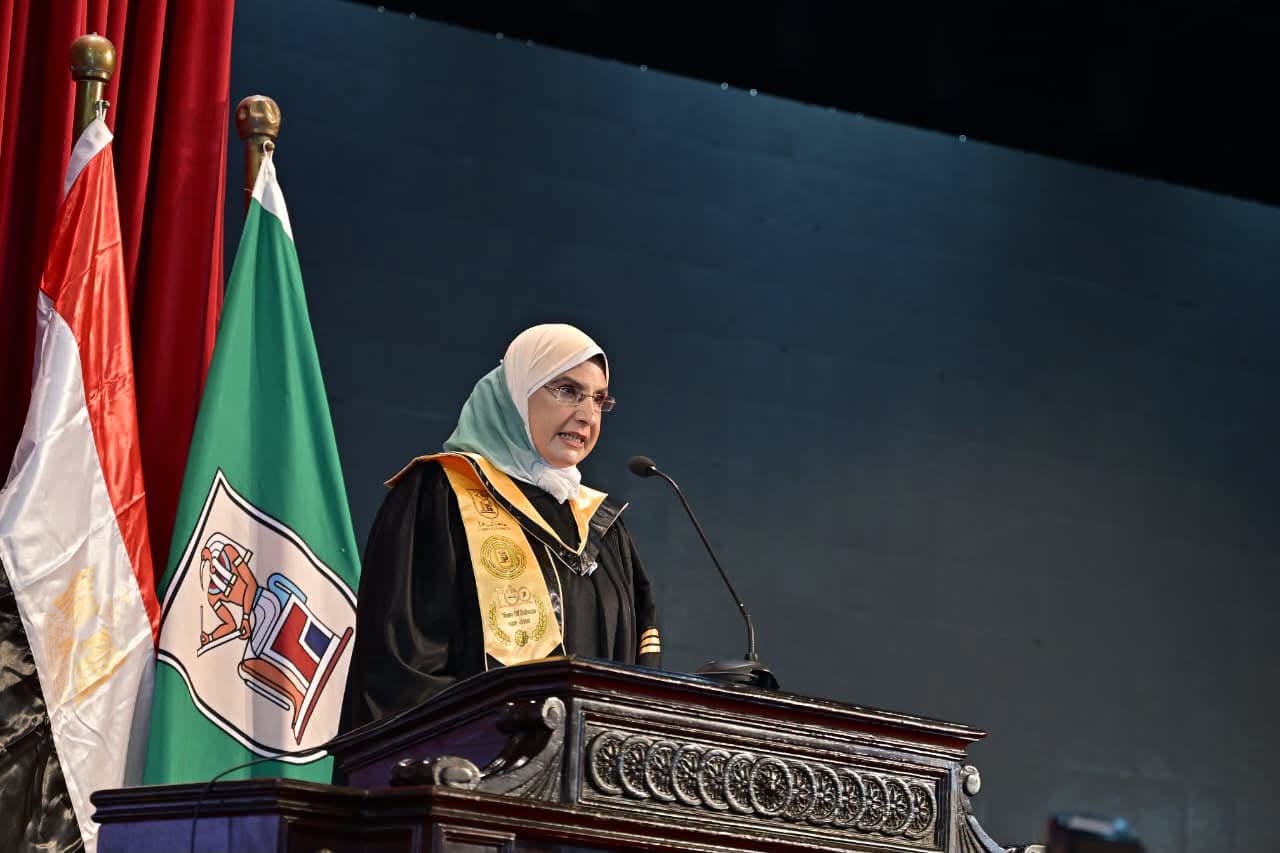
Prof. Dr. Soheir Ramadan Fahmy, Dean of the Faculty, welcomed the distinguished guests, led by Prof. Dr. El-Sayed Abdel-Azim El-Sharkawy, Chairman of the Sector Committee for Basic Sciences, and Prof. Dr. Fakheha Hekal, Secretary of the Sector Committee for Basic Sciences, along with the esteemed members of the committee, including deans and academic experts.
During the visit, Prof. Dr. Soheir Ramadan Fahmy delivered a comprehensive and detailed report on the faculty, presenting its strategic vision and its current advanced academic structure, which is divided into three main sectors:
Chemical and Biological Sciences: including the Departments of Chemistry, Biotechnology, Zoology, Botany, and Entomology.
Physical and Astronomical Sciences: including the Department of Physics, and the Department of Astronomy, Space Science, and Meteorology.
Mathematical and Biophysical Sciences: including the Department of Mathematics and the Department of Biophysics.
Governance and Institutional Leadership: Towards a Fourth-Generation University
The Dean emphasized that governance at the Faculty of Science has moved beyond being a slogan to becoming a tangible working methodology, guided by Egypt Vision 2030 and the Sustainable Development Goals, in pursuit of transformation into fourth- and fifth-generation universities. She highlighted the launch of the “Excellence Charter 2030” as a comprehensive guide for governance and scientific leadership policies, as well as the establishment of the “Governance, Anti-Corruption and Anti-Bribery Unit.”
She also announced the faculty’s efforts to achieve international accreditation through ISO certifications such as ISO 37000 (Governance of Organizations) and ISO 37001 (Anti-Bribery Management Systems), confirming the implementation of strict measures to ensure the highest standards of transparency and integrity within the faculty.
Academic Development and Labor Market Alignment
On the academic level, the report indicated that the faculty is nearing completion of the revision of all undergraduate programs in accordance with the 124-credit-hour system, which is scheduled for submission next month, alongside the update of the graduate credit-hour regulations.
It also revealed readiness to launch new distinguished programs in the fields of Digital Biology, Artificial Intelligence and Biotechnology, Space Technology and Remote Sensing, Earth and Planetary Sciences, and Petroleum and Energy Sciences.
To strengthen alignment with industry, the faculty announced the establishment of the “Sustainable Industrial Liaison Unit” to serve as a vital bridge between the faculty, the private sector, and the industrial community, ensuring responsiveness to labor market needs.
Digital Transformation, Community Responsibility, and Research Excellence
The faculty has witnessed a significant leap in digital transformation through ongoing updates of the student affairs, graduate studies, and research websites, in addition to implementing comprehensive digitization and advanced banking transactions for students in cooperation with the Arab African International Bank.
In conclusion, the Dean presented key community and student initiatives, including:
“Your Path to Science” initiative for academic advising and immediate student support.
“Research Insights” initiative to connect with society and highlight the role of basic sciences.
Organizing the “Faculty of Science Graduation Projects Exhibition” for the first time alongside the faculty’s centennial celebrations.
Innovative integration and cultural exchange programs supporting international students and students with disabilities (“Promising Abilities Initiative”).
Dr. Soheir Ramadan also highlighted the faculty’s exceptional research performance, noting that it ranked first in Cairo University in international publication output on Scopus with over 14,000 research papers, which directly contributed to unprecedented financial support from the university administration. The faculty also secured 11 awards out of 40 university awards recently announced.
For their part, Prof. Dr. El-Sayed Abdel-Azim El-Sharkawy, Chairman of the Sector Committee, Prof. Dr. Fakheha Hekal, Secretary of the Committee, and the members of the committee praised the tangible achievements and the remarkable academic, administrative, and infrastructural development witnessed at the Faculty of Science, Cairo University, wishing continued progress and excellence.